GA State Senate Bill 74
Criminalizes librarians for “Harmful Materials”
Under this bill, librarians could face a high and aggravated misdemeanor, one of the most serious misdemeanor charges in Georgia.
What the Bill Would Do
- Remove the exemption that currently protects librarians from prosecution under Georgia’s “harmful to minors” statute
- Allow criminal charges if a librarian cannot prove they did not know a book might be considered harmful
- Encourage pre‑emptive removal or restriction of books to avoid legal risk
- Create an environment where political pressure, not professional expertise, shapes library collections
How this bill will impact libraries, students, and families:
*Students could lose access to diverse writing and miss out on materials that support literacy, research, and personal growth.
*Libraries are community spaces that encourage the exchange of ideas and strengthen democracy. These wonderful spaces will become dangerous battlegrounds instead of spaces for reflection and calm.
*Families/Parents lose the opportunity to guide their children’s reading choices, instead the government will be making these choices.
HOW YOU CAN TAKE ACTION:
Stay informed: here is the weblink to the Georgia Senate Bill 74: https://www.legis.ga.gov/search?ln=74&s=1033&p=1
Send a letter or call your representatives: Your Government
Attend local meetings:
Columbia County Library Board information and meeting schedule: Columbia County Library
Offer support to your local librarians and staff and challenge misinformation about how libraries operate. Below is a list of common statements about the effectiveness of libraries.
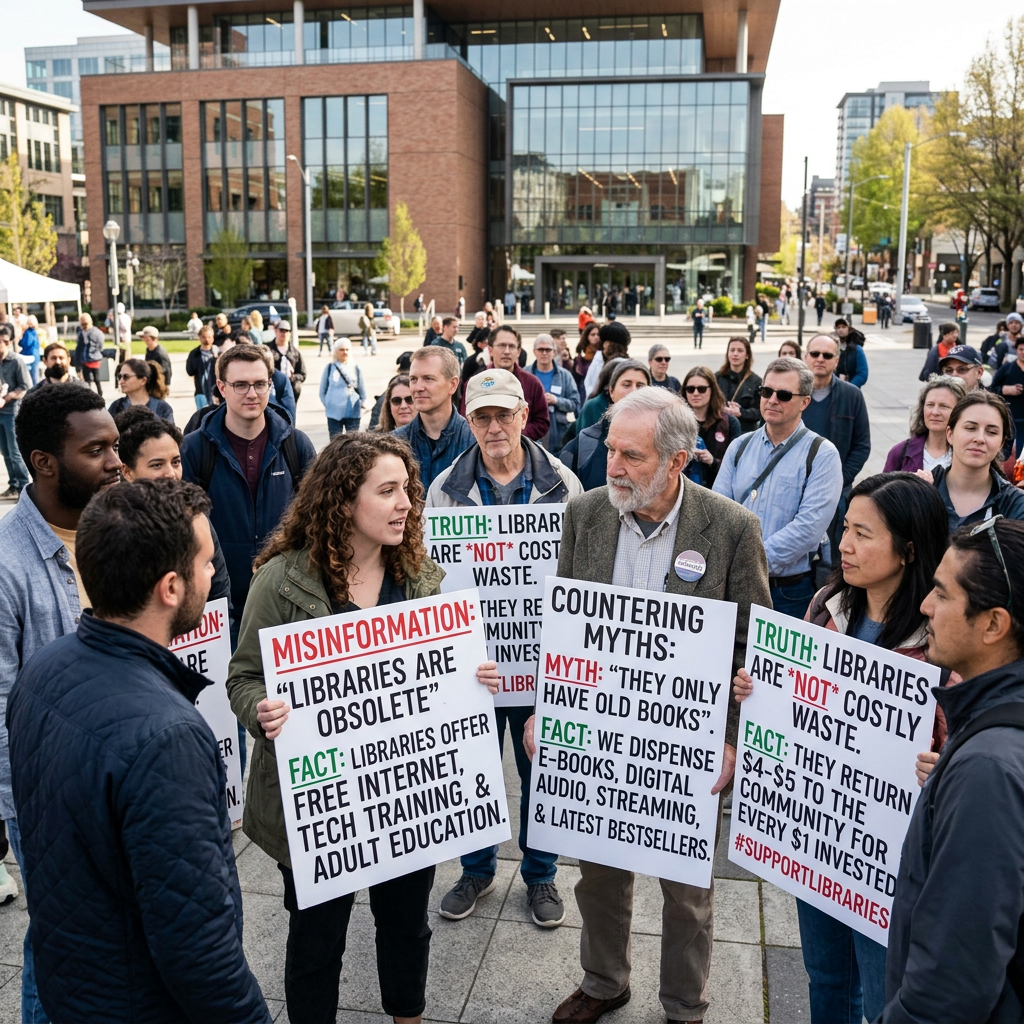
Myth: “libraries push an agenda.”
Fact: libraries are required to hold viewpoint-neutral access to information. This includes books and periodicals.
Myth: Libraries are not needed anymore because everything is online.
Fact: Internet access is not readily available for everyone.
Myth: Libraries are a waste of taxpayer money
Fact: Libraries in general provide support to the workforce by offering digital access, community programs, literacy support, and resources to other community resources.

